Businesses must stay ahead
As we move into 2025, several emerging market trends indicate shifts in consumer preferences, technological advancements, and global economic influences. Businesses must stay ahead by adapting to these evolving demands. Here are some of the key product trends expected to dominate in 2025:
1️⃣ Sustainable and Eco-Friendly Products
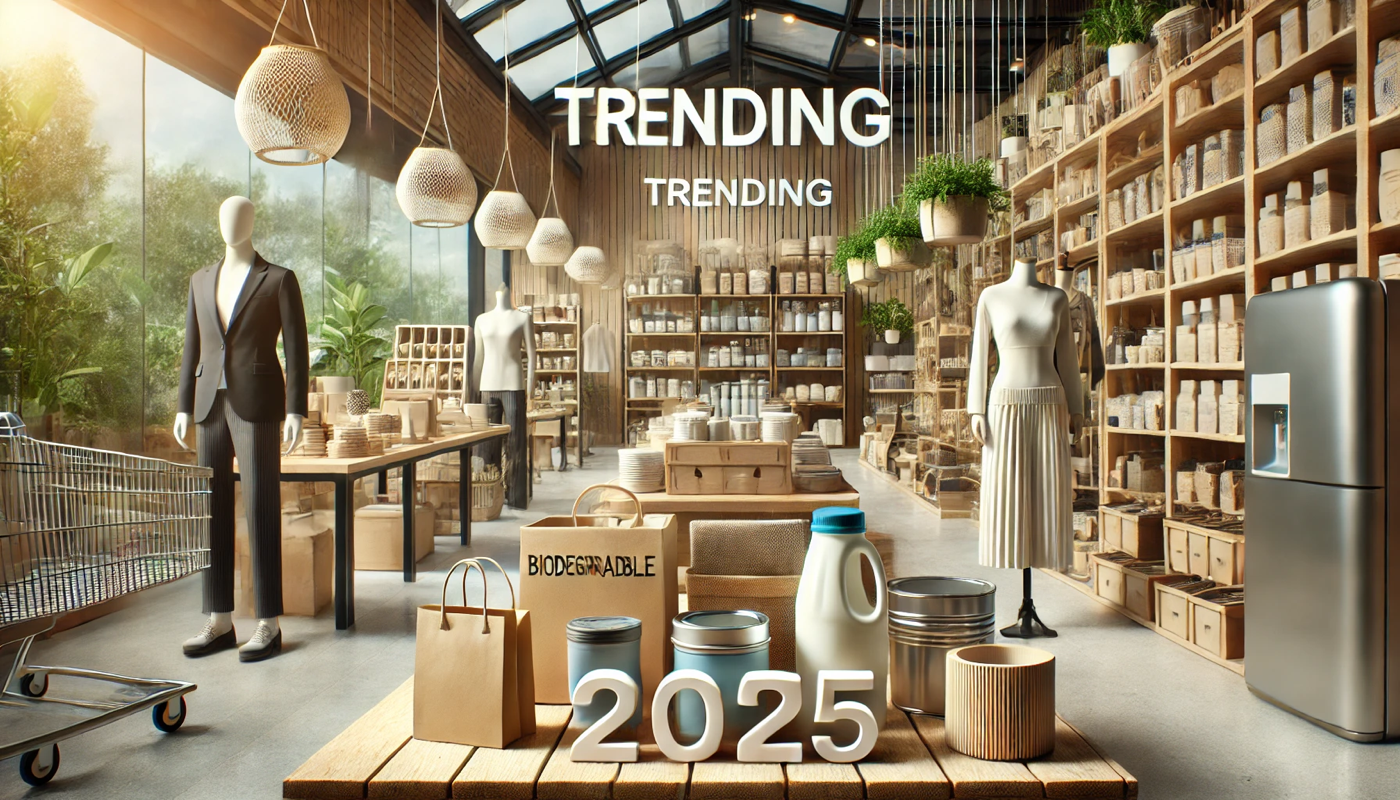
Consumers are increasingly prioritizing sustainability. Demand for biodegradable packaging, energy-efficient appliances, and eco-conscious fashion is on the rise. Companies investing in green solutions will gain a competitive edge and customer loyalty. In addition, government regulations are pushing industries toward sustainability, making it a necessary shift rather than a choice.
Businesses that incorporate sustainable practices, such as reducing carbon footprints and using recyclable materials, will appeal to environmentally conscious consumers. Renewable energy products, like solar-powered devices and energy-efficient home systems, are also expected to see significant growth. The circular economy model, emphasizing reuse, recycling, and waste reduction, is gaining traction and influencing purchasing decisions.
Moreover, transparency in the supply chain is becoming a key factor. Consumers want to know where their products come from and how they are made. Brands that provide detailed sourcing information and highlight fair-trade and ethical labor practices will be favored in the market. Collaborations with environmental organizations and sustainability certifications will further enhance brand credibility and consumer trust.
2️⃣ Health and Wellness Products
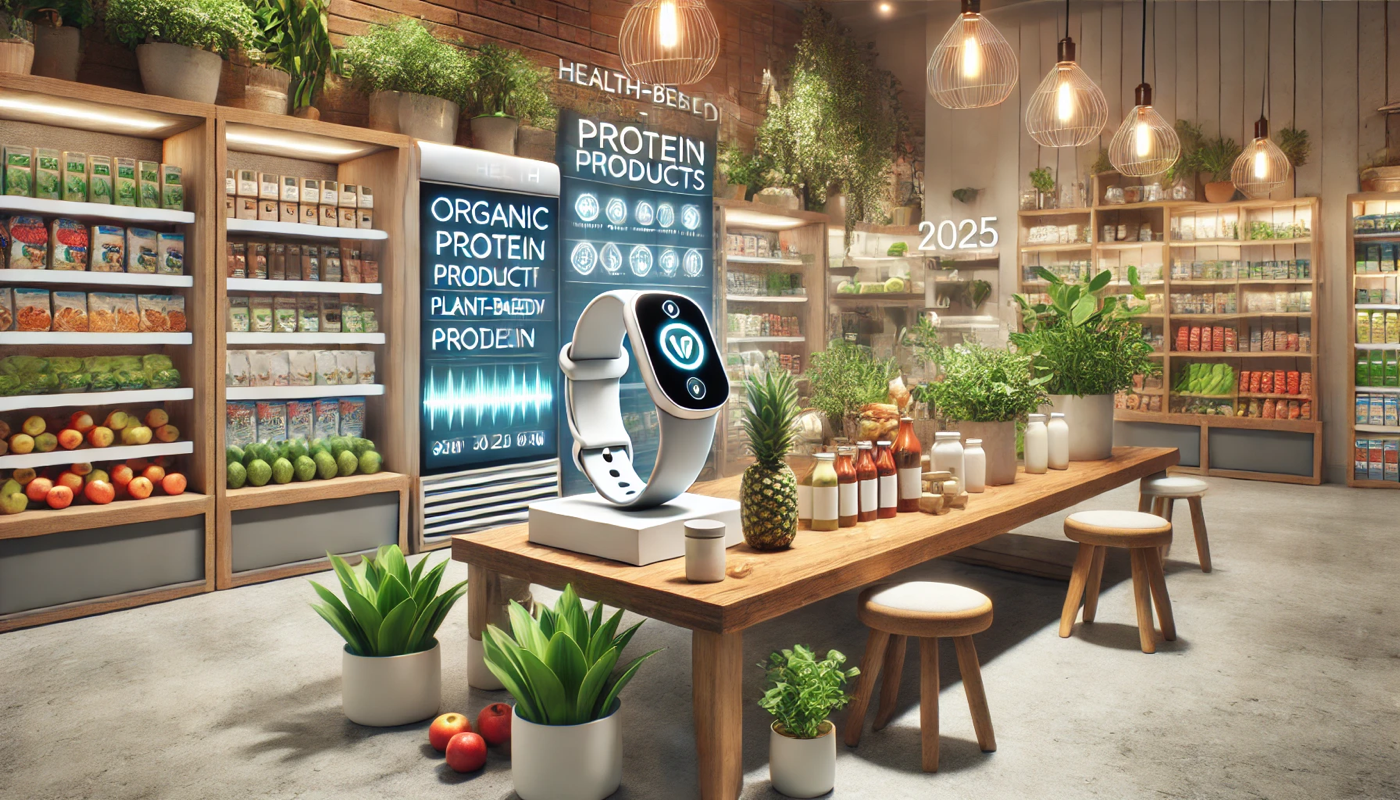
The health-conscious movement continues to grow, driving demand for organic foods, plant-based proteins, wearable health tech, and wellness supplements. Consumers are increasingly looking for functional foods enriched with vitamins and minerals, probiotic products for gut health, and hydration-enhancing beverages. Personalized nutrition, driven by AI-based recommendations and DNA-based dietary plans, is gaining traction as people seek customized health solutions.
Additionally, mental well-being is becoming a priority, with growing interest in relaxation devices, sleep aids, and stress-management tools. Smart meditation devices, blue-light blocking glasses, and digital detox programs are emerging as key solutions for modern wellness. The fitness tech industry is also seeing rapid advancements, with AI-powered personal trainers, VR-assisted workout programs, and biometric tracking becoming mainstream.
As people become more aware of holistic wellness, demand for non-toxic, cruelty-free beauty products, plant-based skincare, and sustainable personal care items is also on the rise. The convergence of health, technology, and sustainability is reshaping consumer habits and presenting significant opportunities for businesses in this sector.
3️⃣ Smart Technology and AI-Integrated Devices

The integration of AI into everyday devices is set to boom. Smart home gadgets, AI-powered personal assistants, and automation tools in industries such as healthcare and logistics will see increasing adoption, enhancing convenience and efficiency.
The rise of AI-powered wearables, including smart glasses, health-monitoring devices, and voice-activated assistants, is transforming how individuals interact with technology. In the logistics sector, AI-driven inventory management and automated warehousing solutions are improving supply chain efficiency. Self-learning algorithms are also enabling predictive analytics, helping businesses forecast demand and optimize operations.
Furthermore, AI is reshaping retail with personalized shopping experiences. AI-powered chatbots, recommendation engines, and virtual try-on technology are becoming mainstream, improving customer satisfaction and increasing sales.
Additionally, industries like automotive are seeing a surge in AI-driven safety features and autonomous vehicle advancements.
The expansion of 5G networks and edge computing will further accelerate AI adoption, enabling faster data processing and real-time decision-making. Businesses that invest in AI-driven solutions now will position themselves at the forefront of innovation, gaining a significant competitive advantage.
4️⃣ E-commerce and Digital Services
With the rapid growth of online shopping, businesses offering digital products, subscription-based services, and on-demand solutions will thrive. Augmented reality (AR) for virtual shopping experiences and AI-driven personalization will reshape consumer interactions.
The shift towards e-commerce has accelerated, with businesses investing heavily in omnichannel strategies to enhance customer engagement. Consumers expect seamless shopping experiences across multiple platforms, including social media, mobile apps, and traditional websites. Live-stream shopping, where influencers and brands showcase products in real-time, is also gaining traction, boosting direct sales and brand loyalty.
Artificial intelligence is playing a crucial role in the evolution of digital commerce. AI-powered recommendation engines analyze consumer behavior to suggest personalized products, increasing conversion rates. Chatbots and virtual assistants are improving customer service efficiency, handling inquiries, and guiding shoppers through their purchasing journey.
Additionally, blockchain technology is being integrated into e-commerce to enhance transparency and security. Decentralized marketplaces are emerging, enabling peer-to-peer transactions with reduced reliance on intermediaries. Secure payment gateways and cryptocurrency adoption are also influencing digital commerce, offering customers more flexible and secure transaction options.
Subscription-based business models are expanding beyond entertainment services. Companies are introducing subscription boxes, software-as-a-service (SaaS) products, and exclusive membership programs that provide consistent revenue streams while fostering customer retention.
As digital commerce continues to evolve, businesses that prioritize user experience, data-driven personalization, and emerging technologies will gain a competitive edge in the rapidly expanding online marketplace.
5️⃣ Ethical and Locally Sourced Goods
Consumers are gravitating towards brands that emphasize ethical sourcing, transparency, and fair trade. Products that highlight local craftsmanship, organic ingredients, and ethical labor practices will continue to gain traction.
The increasing awareness of social and environmental impact has led customers to favor businesses that prioritize fair wages, humane working conditions, and sustainable production methods. Ethical consumerism is now a significant factor in purchasing decisions, pushing companies to disclose sourcing practices and obtain fair trade certifications.
Additionally, the rise of the "buy local" movement is encouraging consumers to support small businesses and regional suppliers. Locally sourced products, from farm-to-table food items to handmade crafts, appeal to customers who want to strengthen their communities and reduce carbon footprints. This shift is also influencing global brands to partner with local artisans and farmers to create regionally inspired product lines that celebrate authenticity and heritage.
Companies that adopt these ethical and local sourcing strategies not only enhance their brand reputation but also build stronger, trust-based relationships with their customers. Transparency in the supply chain, coupled with responsible business practices, will continue to shape the future of ethical commerce.